
Default
Yielding Stability: The Strategic Significance of Opening China’s Treasury Bond Futures to Global Capital
The announcement that qualified foreign investors can now trade treasury bond futures marks a pivotal maturation phase for China’s $20 trillion-plus onshore bond market. By providing sophisticated interest rate risk management tools, the China Securities Regulatory Commission is addressing the primary technical hurdle for long-term institutional capital: the lack of a liquid hedging mechanism. While the current scope is limited to hedging purposes—likely to maintain a lower volatility profile and prevent speculative spikes—it significantly lowers the "risk premium" associated with holding yuan-denominated debt. For a global pension fund or sovereign wealth fund, the ability to lock in yields and offset duration risk through the futures market can improve the risk-adjusted return on a portfolio by an estimated 15 to 25 basis points, making Chinese government bonds (CGBs) an increasingly attractive alternative to traditional low-yield havens.
The timing of this opening is particularly strategic given the current global interest rate environment. As of 2026, the yield spread between CGBs and other major economies has stabilized, but the high-density trading volume in the spot market—often exceeding hundreds of billions of yuan daily—required a more robust derivatives counterpart to ensure price discovery. By introducing foreign participation, the regulator is effectively increasing the market’s "depth" and reducing the "liquidity discount" that often plagues emerging fixed-income markets. Data from similar market openings suggests that providing hedging tools can lead to a 10% to 12% increase in the holding period of foreign investors, as they are no longer forced to liquidate spot positions during periods of interest rate fluctuation.
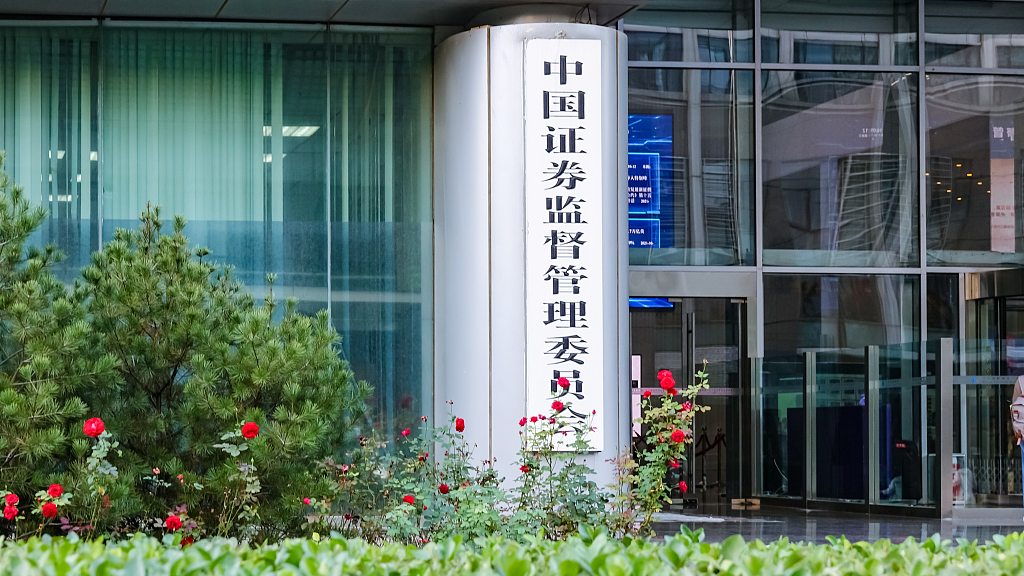
According to a report by the People's Daily, this move is a cornerstone of the "high-standard institutional opening up" of the capital market. It isn't just about allowing capital in; it’s about aligning the technical specifications of the domestic futures market with international standards like the ISDA. This alignment reduces the operational budget for foreign desks, as they can now utilize familiar risk-management frameworks. The integration of these tools will likely drive the foreign ownership percentage of the Chinese bond market—currently hovering in the single digits—toward a more mature target of 10% to 15% over the next three-year cycle, injecting billions in stable, long-term liquidity into the financial system.
Furthermore, the emphasis on "high-quality development" of both spot and futures markets suggests that this is the first in a series of planned expansions. As foreign institutional participation stabilizes, we may see a broadening of the trading scope or an increase in the variety of available maturities beyond the standard 2-year, 5-year, and 10-year contracts. This would allow for a more precise "yield curve" construction, benefiting the entire domestic corporate lending environment by providing a clearer benchmark for interest rate pricing. Ultimately, by giving global investors the "brakes" (hedging tools) to go with their "engine" (capital investment), China is ensuring that its bond market remains a high-performance, low-vibration asset class in the global financial architecture.
News source: https://peoplesdaily.pdnews.cn/business/er/30051987538
Ready to put your brand on screen?
Thirty minutes with a senior creative producer — no pitch deck, just an honest read on your brief and what broadcast-quality film could do for it.